Go Back




 Accessibility tools
 Accessibility tools


 Return to Guides
UK Stamp Duty Explained: Rates, Thresholds & Rules for Homebuyers in 2026
Stamp Duty Land Tax (SDLT) is a tax you may need to pay when buying a property in England or Northern Ireland. This guide explains who pays Stamp Duty, when it applies and the current UK Stamp Duty rates and thresholds for 2026, helping you to budget with confidence.
Contents:
- What is Stamp Duty?
- Who Has to Pay Stamp Duty?
- When Does Stamp Duty Apply?
- UK Stamp Duty Rates & Thresholds
- How is Stamp Duty Calculated?
What is Stamp Duty?
Stamp Duty Land Tax (SDLT) is a tax that applies to property or land purchased in England and Northern Ireland.
Whether you will need to pay Stamp Duty and the amount payable will depend on the purchase price of the property, your buying position (for example, whether you are a first-time buyer or already own a property), and whether any reliefs or surcharges apply in your personal circumstances.
Thinking About Your Next Move?
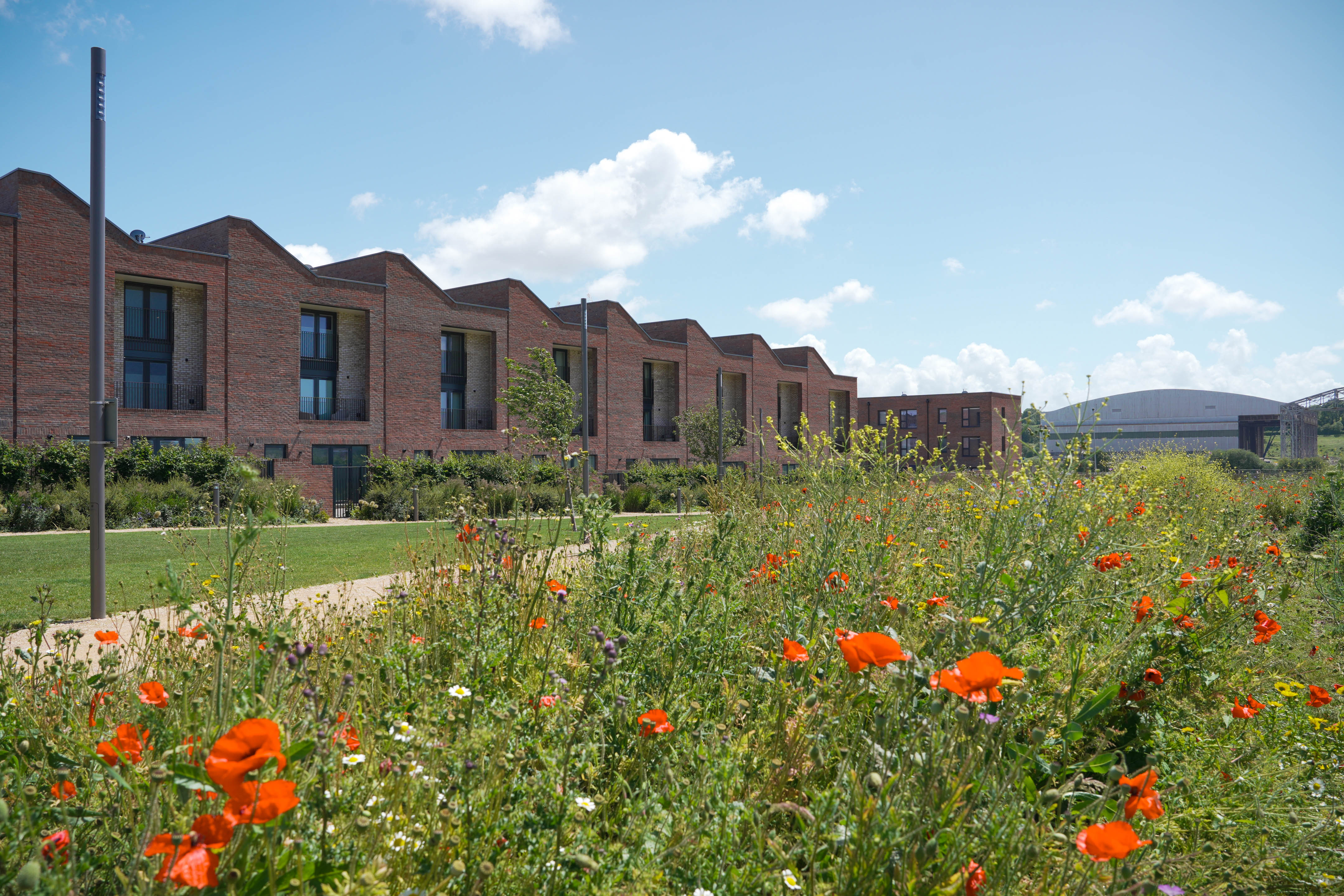
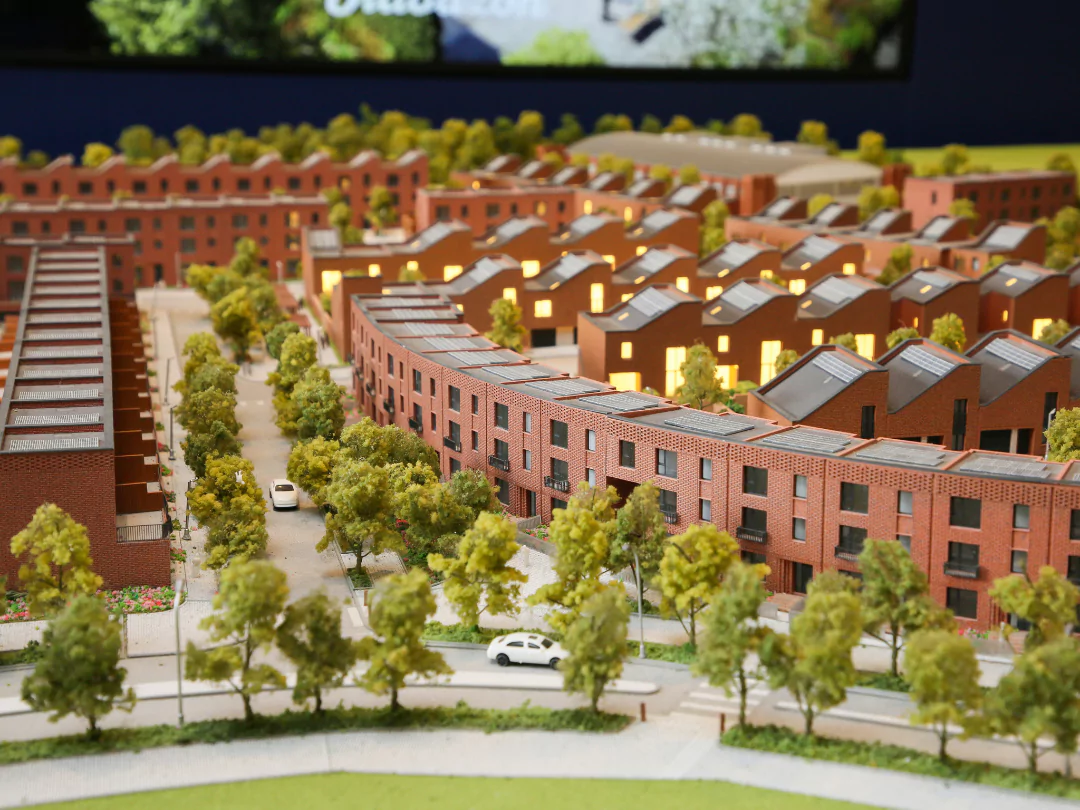
Whether you're buying your first home or planning your next move, understanding the costs is only part of the journey. Explore what life could look like at Brabazon and discover homes available now.
Explore Brabazon | Discover Houses for Sale
Who Has to Pay Stamp Duty?
Not everyone will need to pay Stamp Duty. Whether you have to pay Stamp Duty depends on:
- The purchase price of the property
- Whether you are a first-time buyer
- Whether you already own another residential property
- Whether you are classed as a non-UK resident for Stamp Duty purposes
Some buyers may find that there is no Stamp Duty payable because the purchase price falls below the relevant threshold for their buying position, as detailed below.
When Does Stamp Duty Apply?
Stamp Duty can apply when buying any freehold and leasehold property and must usually be paid within 14 days of completion. Whether you are buying a new-build home or an older property, the current Stamp Duty thresholds are:
- £125,000 for residential property
- £300,000 for first-time buyers purchasing a home worth £500,000 or less
- £150,000 for non-residential or mixed-use property
UK Stamp Duty Rates & Thresholds for Residential Property in 2026
Stamp Duty Rates for a Single Residence
If the property you are buying will be the only residential property you own after completion, the following rates apply:
| Property Value | Stamp Duty Rate |
|---|---|
| Up to £125,000 | 0% |
| £125,001 to £250,000 | 2% |
| £250,001 to £925,000 | 5% |
| £925,001 to £1.5 million | 10% |
| Over £1.5 million | 12% |
Example
Buying a home for £295,000
- 0% on the first £125,000 = £0
- 2% on the next £125,000 = £2,500
- 5% on the remaining £45,000 = £2,250
Total Stamp Duty: £4,750
Stamp Duty Rates for a First-Time Buyer
If all buyers qualify as first-time buyers, you may be eligible for First-Time Buyer Relief. If the property costs more than £500,000, standard Stamp Duty rates will apply:
| Property Value | Stamp Duty Rate |
|---|---|
| Up to £300,000 | 0% |
| £300,001 to £500,000 | 5% |
Example
Buying your first home for £500,000:
- 0% on the first £300,000 = £0
- 5% on the remaining £200,000 = £10,000
Stamp Duty Rates for International Buyers
If you have not been present in the UK for at least 183 days during the 12 months before your property purchase, you may be classed as a non-UK resident for Stamp Duty purposes.
In most cases, a 2% surcharge applies on top of any standard Stamp Duty rates already payable for a single residence (listed above).
As residency status can be complex, it is worth seeking professional advice before exchange and completion.
Stamp Duty Rates for Additional Properties
If you are buying an additional home, such as a buy-to-let investment, a second dwelling, or a holiday home worth more than £40,000, an additional 5% surcharge generally applies on top of the standard Stamp Duty rates payable for a single residence.
If you are replacing your main residence, you will usually not have to pay the rate for additional properties, provided the relevant conditions are met.
Key Takeaway: Most buyers pay Stamp Duty using a banded system, meaning different rates apply to different portions of the purchase price rather than one rate on the full value.
More details on Stamp Duty can be found on the GOV.UK website.
Planning Your Budget? Start Planning Your Lifestyle Too
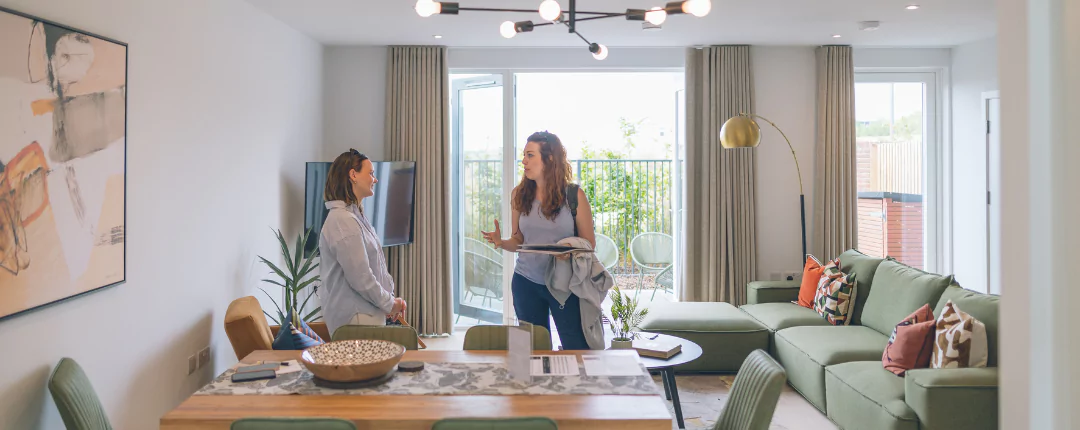
Browse new homes, discover life at Brabazon and start planning your move.
Explore Brabazon | View Available Homes
How is Stamp Duty Calculated?
Stamp Duty is calculated on the purchase price of the property using a banded tax system. This means different tax rates apply to different portions of the property price, rather than a single rate being applied to the entire property value.
The rate you pay will depend on your circumstances, including whether you are a first-time buyer, purchasing an additional property or eligible for any reliefs.
Buying a New Home at Brabazon
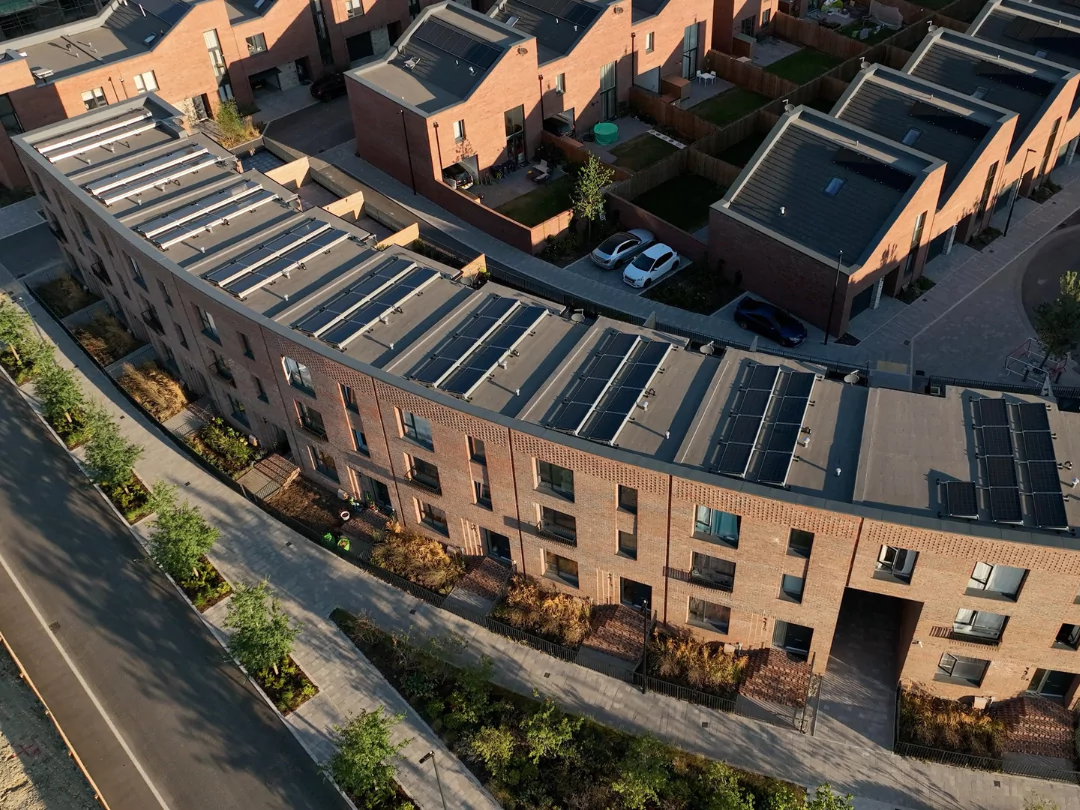
Understanding Stamp Duty is just one part of planning a move. Discover life at Brabazon and explore homes available now.